Bookshelf

A running list of books shaping how I think about decision-making, philosophy, technology, and money.

2026

Starting fresh in 2026 with explorations into psychology, philosophy, and personal growth.

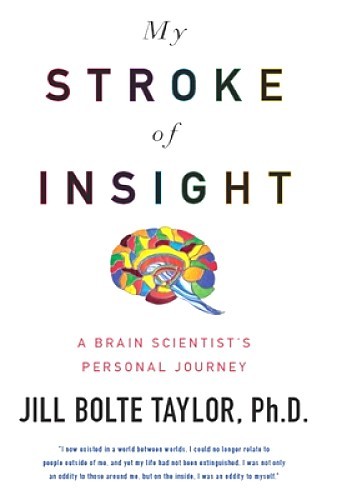
My Stroke of Insight: A Brain Scientist's Personal Journey

by Jill Bolte Taylor

A Harvard-trained neuroanatomist's first-person account of suffering a massive left-hemisphere stroke at age 37 — and what the experience revealed about the brain's two hemispheres, consciousness, and the nature of inner peace. Both a clinical case study and a deeply personal meditation on recovery.

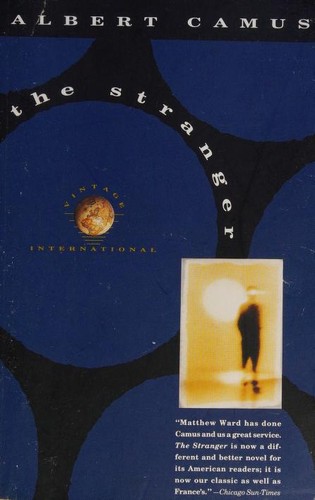
The Stranger

by Albert Camus (translated by Matthew Ward)

Camus's iconic existentialist novel follows Meursault, an indifferent Algerian man whose emotional detachment leads to a fateful act of violence and a confrontation with mortality. A meditation on the absurd — the conflict between our desire for meaning and the universe's silence.

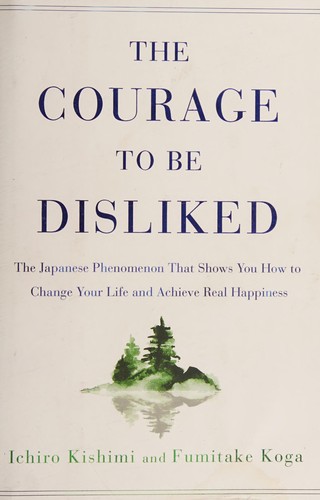
The Courage to Be Disliked

by Ichiro Kishimi and Fumitake Koga

A groundbreaking dialogue that reimagines Adlerian psychology through modern conversations, exploring how we can break free from past trauma, embrace our potential, and live authentically by having the courage to be disliked. Introduces Alfred Adler's revolutionary teleology approach—the idea that we are driven by future goals rather than past causes (etiology)—challenging the notion that our history determines our destiny.

2025

In 2025, I became obsessed with one question: What is money? To find the answer, I read these six books, piecing together the history of our financial system. This journey transformed my understanding of what it means to operate in an economy built on fiat currency and geopolitical force, rather than the stability of sound money.

The Case Against the Fed

by Murray N. Rothbard

A foundational critique of the Federal Reserve System, examining its origins, operations, and effects on the economy while arguing for a return to free-market banking and sound money backed by gold.